
K-2 ToolKit - Into the Jungle: Tapirs
Welcome to our Into the Jungle - Tapirs Toolkit
Of all the animals in Belize, the tapir – a large, herbivorous animal that looks a bit like a cross between a pig and an elephant – is perhaps the most unique. This strange creature is sure to attract many questions from your students, while presenting an opportunity to dive deeper into the delicate ecosystem balance of the rainforest that tapirs help maintain.
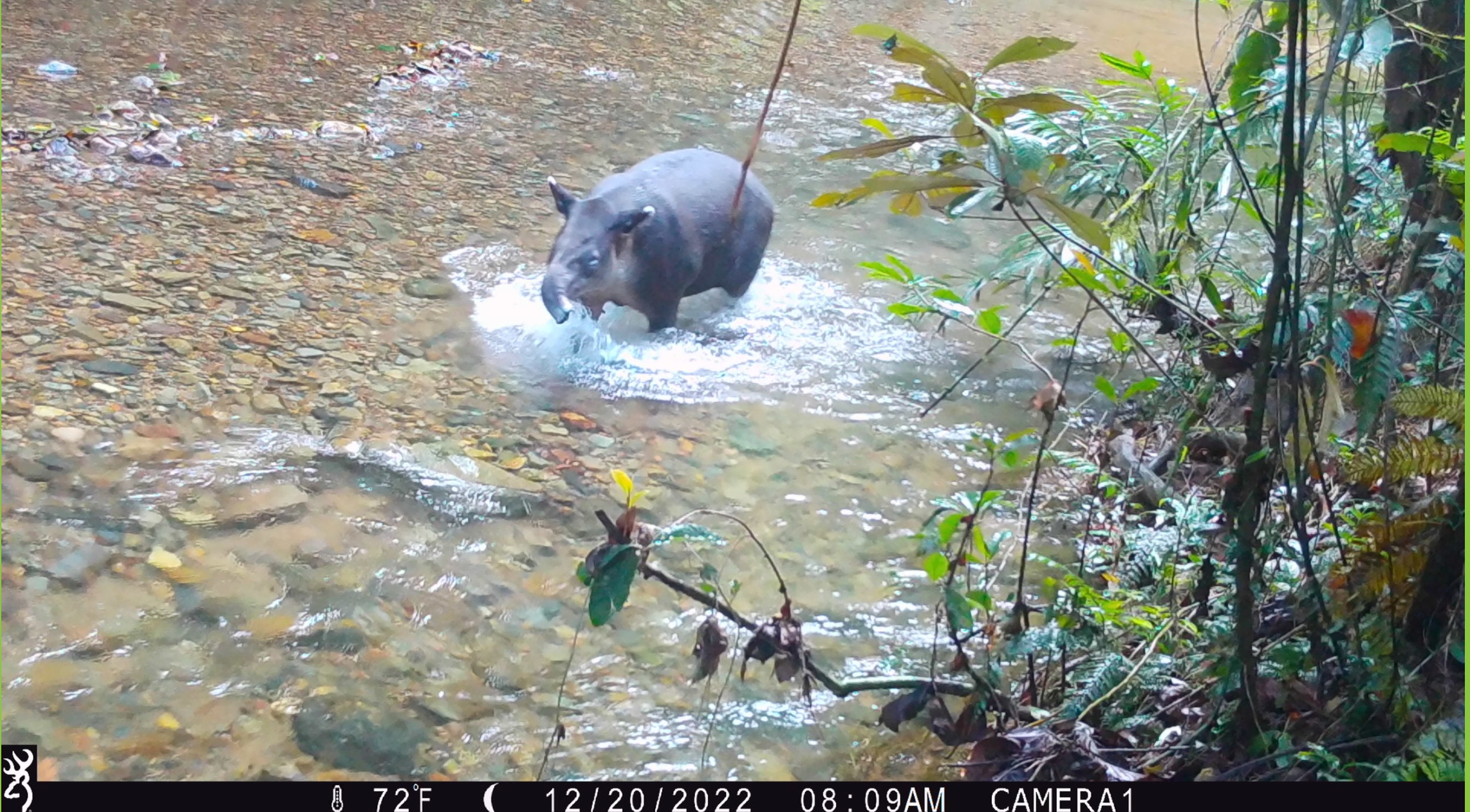
A tapir from one of Inspire EdVenture’s trail cameras in Belize
In this toolkit we make learning about tapirs fun and engaging for your students. Our resources clearly and simply explain the science and conservation status of tapirs for the K-2 level. This includes videos, reading activities, and more! Depending on their use, these resources can provide 30-60 minutes of classroom education on wildlife conservation and education.
Let’s start with a brief video to explain tapirs to your students:
What’s covered in this Toolkit?
Written content on tapirs in Belize to enhance your lesson plans and engage your students. These include videos and photos taken from the Belize Zoo and from our trail cameras in Belize.
A 10 minute narrated video that explores the wildlife that share the Belize rainforest with tapirs. This exercise includes comprehension questions for students. Included are talking points to ask your students about the video to ensure comprehension.
A virtual children’s book, Why Did the Tapir Cross the Street?, to introduce the main concepts of tapirs in language easily accessible to a K-2 audience. Included are talking points to ask your students about the book to ensure comprehension.
An Ask a Scientist feature that allows you and your class to ask questions from our team and get an audio file response to play for your class!
The Story Starts Here…
In the deepest parts of the rainforest, you might see a strange, cow-like creature taking a long drink from a river. Take a closer look, and you’ll see something that might look out of place: a long, flexible nose, which looks a bit like an elephant’s trunk.
This creature is the tapir, the national animal of Belize! Although its body might look like a cow’s, and its nose a bit like an elephant’s, the tapir is actually more closely related to horses and rhinoceros. In Belize it’s often called the “mountain cow,” but like we just found out, it’s not a cow at all!
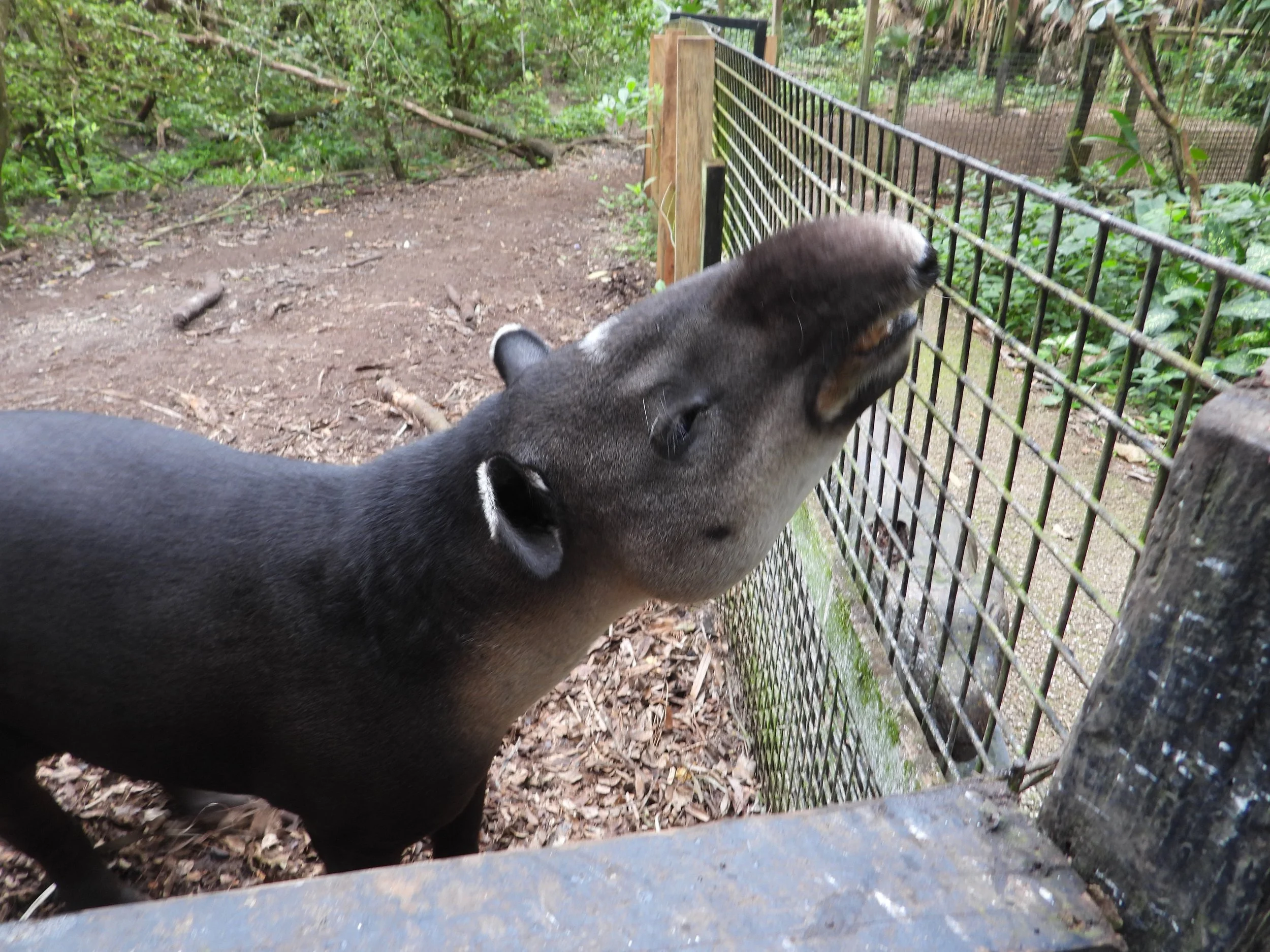
A tapir at the Belize Zoo. photo credit: Inspire EdVentures
Tapirs are big animals. They can weigh between 300 and 600 pounds (over three times the weight of an adult human!) and stand up to four feet tall at their shoulder. But tapirs are gentle giants who feed on leaves and fruits, and are often found in the deepest parts of the rainforest, far from humans.
They’re good swimmers, too! Tapirs can often be found swimming along Belize’s rivers, and even use their long nose like a snorkel. Their nose had other uses, too: they can be used to tear leaves off of branches or grab fruit from trees.
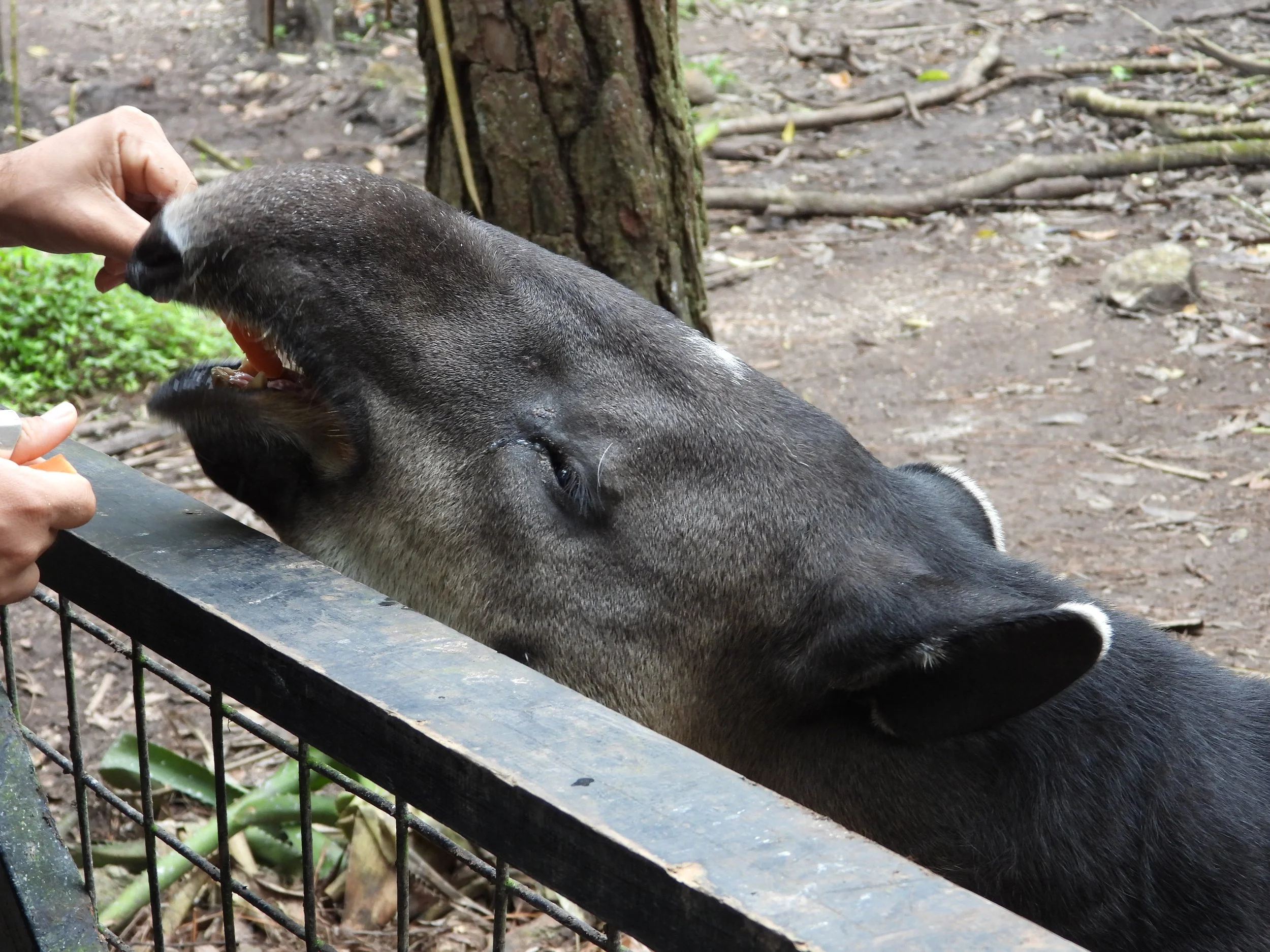
The nose of a tapir is specialized for grabbing leaves and fruit. Photo credit: Inspire EdVentures
Gardeners of the Rainforest
Tapirs play a very special role in the rainforest. When tapirs eat fruit and vegetables from the rainforest, the seeds later come out in their poop - and tapirs eat a lot of fruits and vegetables! This helps spread seeds throughout the rainforest, which in turn become new plants that can feed the many other animals that call the rainforest home. Because of this, they are sometimes called the “gardeners” of the rainforest.
Tapirs can even help rebuild rainforests that have been destroyed, such as by forest fires. By helping seeds reach areas that have been deforested, they can help the rainforest more quickly rebuild after a disaster.
Why is this important? It shows that rainforests rely on the animals that call them home to stay healthy, and even to rebuild. As we talk about protecting rainforests, it’s equally important for students to know that doing so involves protecting animals that keep the rainforest healthy, like tapirs.
A Celebrity Tapir at the Belize Zoo
The most famous tapir in Belize was named April. She was found as a baby who lost her mother, and was adopted by the founder of the Belize Zoo, Sharon Matola. April lived for 30 years at the Belize Zoo, where she taught Belizeans about tapirs and how special they are. She was so famous that her birthday, April 27, became National Tapir Day in Belize!
Though sadly April passed away, today her work teaching visitors to the Belize Zoo about the importance of protecting tapirs has been taken up by another tapir, Fuego. Fuego means “fire” in Spanish, because he was found as a baby after a forest fire. Fuego now has a son, named “Sparks!”
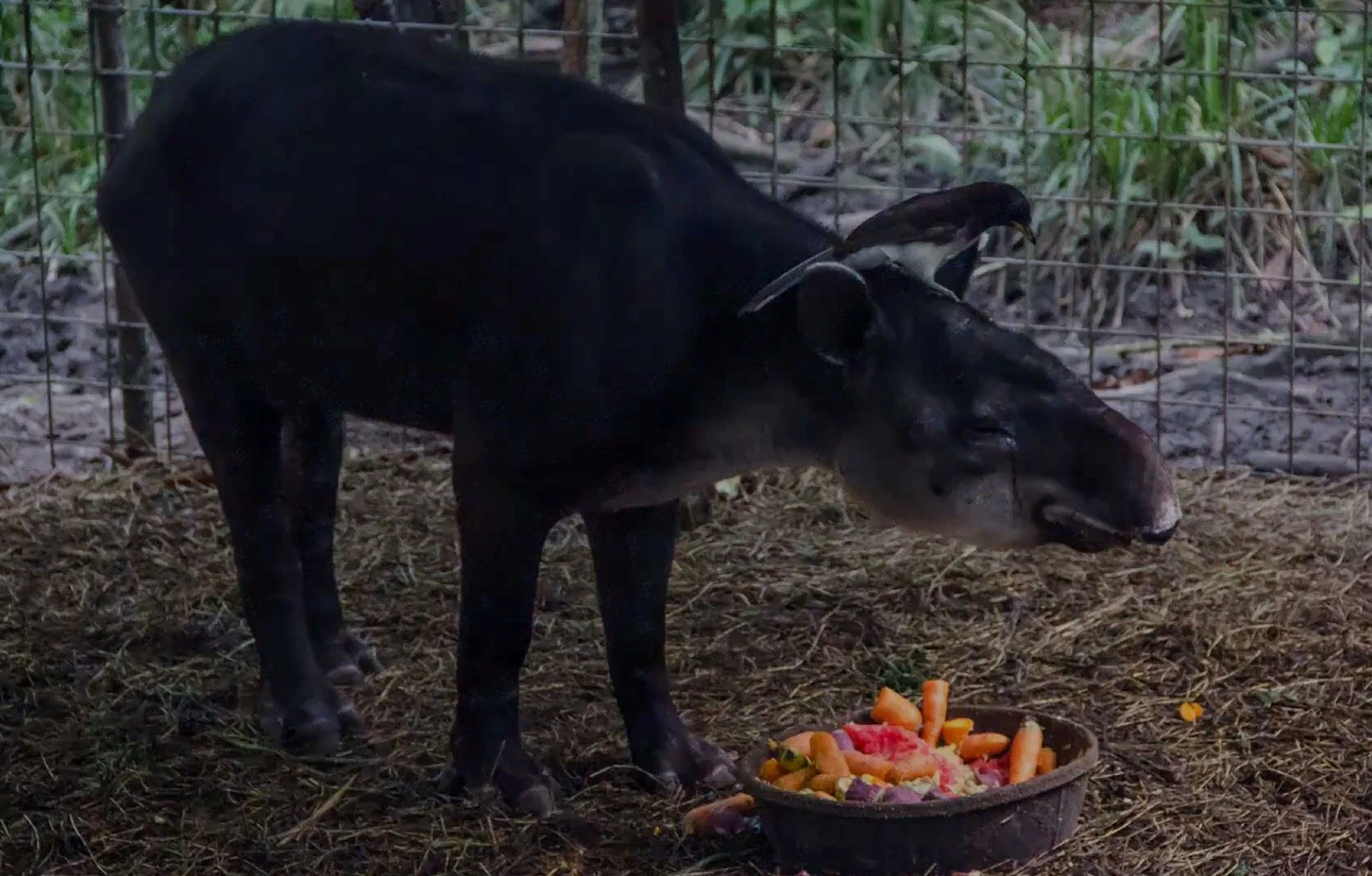
Sparks - a tapir at the Belize Zoo. Photo courtesy of the Belize Zoo.
Fun Facts
Tapirs spend much of their day sleeping in “wallowing holes,” which are shallow holes filled with water or mud, to cool off on hot days.
There are four species of tapir. The species in Belize is called “Baird’s Tapir,” but other species live in South America and as far away as Malaysia!
The tapir is the largest land mammal in Central or South America. They’re not the largest land mammal in all of the Americas - that’s the Bison!
Baby tapirs are born light brown with white spots. The are often called “Baby watermelons” because they are born about the same size, and same stripes, as the fruit! Their fur only becomes black as they become adults.
Reading Activity for the K-2 Toolkit
Why Did the Tapir Cross the Street?
A children’s book that explores the wonders of the national animal of Belize!
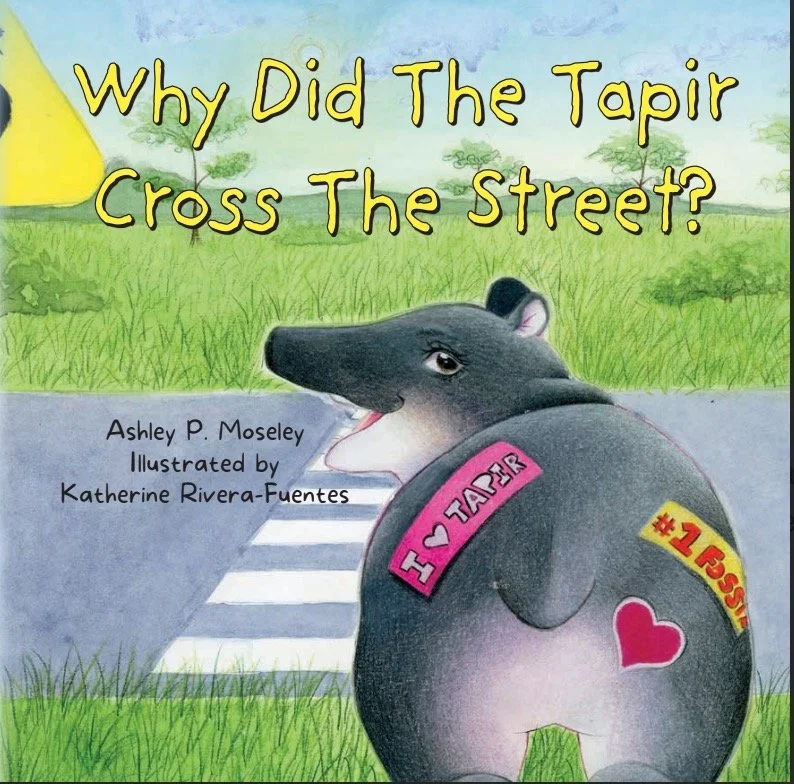
Why Did the Tapir Cross the Street is authored by Ashley Moseley with the support of Dr. Michael Windelspecht as science consultant. Copyright 2025
Talking Points and Activities for the Book
Access the digital version of the book - you will need to use the access code given when you registered for the toolkit. Didn’t register yet? No problem, click here.
Download the Talking Points Activity Guide
Download a tapir coloring page and have your students feed a tapir some fruit!
Trail Camera Video Activity
Tapirs live beside hundreds of other animals that also call the rainforest home, from birds to large mammals and even other big cats! In this video, we go through some of the wildlife we’ve captured on our trail cameras in Belize, then look at some of the tapirs we’ve caught on camera. The video is approximately 10 minutes long, and we’ve included some talking point questions for your students to help them get the most out of the experience:
Teacher Resources
Inspiring Animals - Tapirs. The Inspiring Animals series on our podcast provides insight into issues associated with threatened animal species. Designed for the 8- 13 year range, this is suggested as a teacher resource to understand more about tapirs.
World Tapir Day Video. Prepared for Wold Tapir Day 2023, this video provides a lot of information on tapirs, and could be used directly in the classroom!
Science of Tapirs: Our article on tapirs. A great reference point for questions that may pop up in class.
Ask a Scientist! Are your students asking you tough questions? We can help! Our Ask a Scientist feature links you and your classroom to a real scientist!
Science Consultant: Dr. Michael Windelspecht michael@inspire-edventures.com
Need assistance? Email us at experiences@inspire-edventures.com
Version 1.1 November 2025